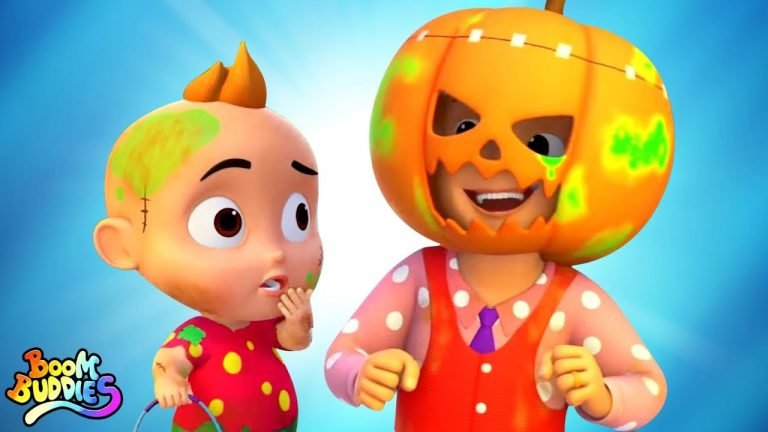
Halloween, with its promise of candy, costumes, and a touch of the macabre, holds a special place in our hearts. For many families, that magic extends to the screen, where generations have gathered to watch animated specials that capture the spirit of the season. But as you navigate the vast landscape of holiday programming, a familiar question emerges: do you lean into the ghoulish delight of Spooky vs. Silly Halloween Cartoons?
It's a delightful dilemma, one that pits gentle giggles against just-right goosebumps. Choosing the right animated adventure can make all the difference in setting the mood for your family's Halloween celebration. Whether you're seeking lighthearted fun or a mild dose of mystery, the world of hand-drawn animation offers a treasure trove of tales designed to charm, amuse, and occasionally, send a shiver down your spine.
At a Glance: Your Guide to Halloween Cartoon Fun
- Understanding the Vibe: We'll explore the distinct characteristics that define "spooky" versus "silly" Halloween cartoons.
- Why It Matters: Discover how cartoon choices can impact children's emotional responses and learning experiences.
- Silly & Sweet: A deep dive into heartwarming specials that prioritize laughter, friendship, and gentle lessons.
- Spooky & Thoughtful: Uncover captivating stories that introduce mild scares while building bravery and critical thinking.
- Life Lessons in Every Frame: How animated tales impart valuable wisdom, from patience to self-acceptance.
- Choosing Your Adventure: Practical tips for selecting the perfect Halloween cartoon for your family's age and preferences.
- The Enduring Charm: Why hand-drawn animation continues to captivate audiences year after year.
The Age-Old Dilemma: Spooky or Silly?
Every parent knows the balancing act of Halloween. You want to embrace the holiday's festive energy without overwhelming younger viewers or boring older ones. This is precisely where the distinction between spooky and silly Halloween cartoons becomes your best friend. It’s not just about what’s on the screen, but how it makes your family feel.
Silly cartoons often lean into the whimsical, the absurd, and the overtly comedic. Think bright colors, slapstick humor, and problems resolved with a hug or a clever trick. The "scares" are almost always intentional misdirections, easily debunked, or played for laughs. Their primary goal is to entertain and often to deliver gentle life lessons about friendship, creativity, or perseverance.
Spooky cartoons, on the other hand, might introduce elements of mystery, mild suspense, or even fantastical creatures. While still entirely age-appropriate for children, they aim for a slightly more atmospheric experience. The challenges faced by characters can feel a bit more real, even if resolved happily, and the themes often revolve around bravery, understanding the unknown, or confronting fears. The key here is "safe scary"—enough to provide a thrill, but never truly terrifying.
Understanding these core differences empowers you to tailor your Halloween viewing experience, ensuring it perfectly matches your family’s comfort levels and holiday mood.
Crafting Laughter: The Art of Silly Halloween Cartoons
Silly Halloween cartoons are the comfort food of seasonal viewing. They wrap you in a warm blanket of giggles and heartwarming stories, proving that Halloween doesn't always need to be about frights to be fun. These specials often celebrate the lighter side of the holiday—the joy of costumes, the camaraderie of trick-or-treating, and the simple pleasure of fall activities.
Take a classic like It’s The Great Pumpkin, Charlie Brown (1966). This beloved Peanuts special epitomizes the "silly" category. While Linus's unwavering faith in the Great Pumpkin might seem a little spooky to some, the overall tone is one of innocence and dedication. It's a charming tale that teaches children the value of patience and sticking to your convictions, even when others don't understand. The gentle humor, the familiar character dynamics, and the quintessential fall imagery make it an undeniable family favorite year after year.
Similarly, Max’s Halloween (Max & Ruby, Season 1, Episode 5a) embraces pure, unadulterated creativity. Max's single-minded pursuit of a vampire costume, despite Ruby's princess aspirations for him, is a testament to self-expression. The episode charmingly shows children they can be anything they want for Halloween, encouraging individuality without fear of judgment. It’s a sweet reminder that personal choice is paramount.
For those just dipping their toes into holiday themes, Curious George: A Halloween Boo Fest (2013) offers a perfect blend of autumnal charm and gentle mystery. George’s adventures in pumpkin picking and unraveling the legend of "No Noggin" are filled with curiosity and wonder, never genuine dread. This special reinforces that imagination enriches celebrations and provides a safe entry point for children not quite ready for more intense narratives. If you're looking for more delightful adventures like these, you can always Explore our Halloween cartoons collection for endless options.
Other gems in the "silly" vein often focus on problem-solving with a light touch. In Pumpkin Party (Peppa Pig, Season 4, Episode 56), a power outage threatens the fun, but quick thinking and teamwork save the day, teaching kids that unexpected issues are just part of life and can be overcome. Hic Or Treat (Arthur, Season 11, Episode 7a) playfully shows D.W. turning a hiccuping predicament into a unique costume, demonstrating how creativity can turn perceived disadvantages into silver linings.
Even new traditions emerge from this joyful category. A Go! Go! Cory Carson Halloween (2020) guides young viewers through a haunted house designed for fun scares, quickly revealing the "monsters" to be friendly neighbors. It’s a fantastic way to demystify haunted attractions, teaching that they are staged for entertainment, not real fright.
The takeaway from these silly cartoons is clear: Halloween is a time for joy, imagination, and connecting with loved ones. The lessons embedded are often about self-acceptance, kindness, and embracing the unexpected with a smile.
Embracing the Eerie: Exploring Spooky (But Safe) Halloween Cartoons
Now, if your family craves a bit more mystery and a whisper of the unknown, but without crossing into genuinely frightening territory, the "spooky" category is your sweet spot. These cartoons skillfully blend eerie elements with humor, bravery, and important life lessons, providing a controlled thrill that can be both exciting and enriching. They often delve into themes of overcoming fears, understanding consequences, and the importance of critical thinking when faced with something out of the ordinary.
Consider Garfield’s Halloween Adventure (1985). This special ramps up the Halloween atmosphere with Garfield and Odie's pirate costumes, a deserted island, and a genuinely spooky haunted house. While the ghostly apparitions provide a thrill, the underlying message is about bravery and the consequences of reckless adventure, emphasizing safety during holiday escapades. It’s a perfect example of a cartoon that offers a good scare, then grounds it with a practical lesson.
For stories that tackle real-world fears in a fantastical setting, Spooky: Experiment 300 (Lilo And Stitch: The Series) is a prime example. Here, the shapeshifting experiment, Spooky, preys on fears. Lilo, facing criticism for her unique "dead princess" costume, embraces her individuality, and the episode ultimately highlights that fears don't define you. Facing them, as Lilo and Stitch do, makes you braver and more resilient. This type of narrative uses a supernatural premise to explore very human emotions.
Mystery and misdirection are also hallmarks of spooky cartoons. In Franklin’s Halloween (Franklin, Season 1, Episode 4b), mysterious noises lead Franklin and his friends to believe they’ve encountered something truly spooky, only to discover it’s their friend Mr. Mole. It’s a gentle lesson in not jumping to conclusions and understanding that often, what seems scary has a perfectly logical explanation. This helps build a child's critical thinking skills.
Even lighthearted shows like The Amazing World Of Gumball, Season 2, Episode 9 ("Halloween") can lean into spooky themes. When Gumball and his siblings must pretend to be dead at a ghost party, the episode uses its unique blend of surreal humor and mild spectral frights to suggest that fear often stems from misunderstandings, and overlooking differences can lead to unexpected friendships. It’s a clever way to teach empathy through an unconventional scenario.
For older kids ready for slightly more complex narratives, episodes like Scooby-Doo And The Witch’s Ghost (1999) offer a compelling mystery. The introduction of the Hex Girls and their Wiccan heritage teaches acceptance and challenges judgments based on appearance or belief. The gang's pursuit of a supernatural entity, only to uncover a human culprit, reinforces the idea that what seems supernatural often has a rational explanation, fostering critical thinking.
These spooky-but-safe cartoons are essential for children who enjoy a bit of suspense and excitement. They offer opportunities to explore themes of courage, resilience, and the difference between appearance and reality, all wrapped up in engaging animation. When looking for similar content, you might want to Explore our Halloween cartoons to find more intriguing mysteries and thrilling adventures.
More Than Just Giggles and Goosebumps: The Enduring Lessons Within
Beyond the immediate entertainment, both spooky and silly Halloween cartoons are rich with life lessons that resonate with children long after the credits roll. They serve as valuable tools for parents to discuss complex emotions and social scenarios in a relatable, non-threatening way.
Courage and Facing Fears: Many cartoons, regardless of their primary tone, tackle the universal theme of fear. Trick Or Treat Ghost (Pete The Cat, Season 1, Episode 8b) shows Pete and his friends confronting imagined fears, ultimately realizing they are not real. This builds mental resilience and encourages bravery. Similarly, The Spookiest House In Marzipan (Chowder, Season 3, Episode 42a) sees Chowder bravely entering a "haunted" house to save his friends, only to discover a benign explanation. These stories teach that confronting fears, rather than avoiding them, can lead to understanding and empowerment.
Empathy and Acceptance: Halloween often brings out our innate desire to connect, and cartoons reflect this beautifully. In Casper’s Halloween Special (1979), Casper, trying to fit in, ultimately finds acceptance among orphans who appreciate him for who he is—a friendly ghost. This teaches that unexpected encounters can enhance events and that true acceptance comes from within. The Berenstain Bears: Trick Or Treat (Season 1, Episode 5b) directly addresses peer pressure and prejudice, as Brother and Sister learn not to judge their neighbor, Widder Jones, before getting to know her. This episode powerfully illustrates how fear often stems from misunderstanding, advocating for empathy and open-mindedness.
Problem-Solving and Consequences: Even in fantastical settings, characters must think critically and deal with the repercussions of their actions. Laugh Of The Party (Beetlejuice, Season 1, Episode 5) humorously illustrates how quick fixes can lead to bigger problems, advocating for natural problem-solving. Scary Godparents (The Fairly Oddparents, Season 2, Episode 12) serves as a cautionary tale about impulsive wishes, showing Timmy's immediate gratification leading to chaotic consequences, thus encouraging thoughtful decision-making. These narratives help children understand cause and effect.
Self-Acceptance and Individuality: Costumes are a big part of Halloween, and many cartoons use this as a vehicle for lessons on identity. What Can I Wear For Halloween? (Charlie And Lola, Season 3, Episode 19) encourages children to let their imaginations run wild with costume choices, while Clifford’s Howl-O-Ween (Clifford the Big Red Dog, Season 3, Episode 9b) reinforces that it’s important to always be yourself, no matter what character you pretend to be. The Powerpuff Girls’ episode, Witch’s Crew (Season 3, Episode 21), teaches against unhealthy desires for what you don’t have, emphasizing self-acceptance.
Accountability and Truthfulness: Some cartoons tackle tougher themes directly. I Spy A Witch (As Told By Ginger, Season 1, Episode 13) focuses on honesty and accountability, as Miranda's confession clears Ginger's name. Arnold’s Halloween (Hey Arnold!, Season 2, Episode 7) demonstrates the harmful impact of spreading misinformation, teaching that pranks should not incite panic and truthfulness is paramount.
These diverse lessons, whether couched in silly antics or mild suspense, demonstrate the profound impact animated stories can have on a child’s development, nurturing emotional intelligence and moral compass.
Navigating the Halloween Cartoon Library: Choosing What's Right for Your Family
With so many fantastic options, how do you pick the perfect Halloween cartoon for your family? It comes down to a few key considerations:
- Age and Sensitivity Levels: This is the most crucial factor.
- Toddlers and Preschoolers: Stick to overtly silly, brightly colored, and gentle shows like Peppa Pig, Max & Ruby, Curious George, or Blue’s Clues & You. Their "scares" are typically visual gags or easily resolved misunderstandings.
- Early Elementary (Ages 5-8): Many of the "spooky but safe" options become viable here. It’s The Great Pumpkin, Charlie Brown, Arthur, Franklin, Clifford, and even the more adventurous episodes of Lilo & Stitch or Rugrats: Candy Bar Creep Show can be enjoyed. They can handle mild suspense and fantasy elements.
- Upper Elementary and Pre-Teens (Ages 9-12): This age group can appreciate more complex plots, subtle humor, and deeper themes. Garfield’s Halloween Adventure, Hey Arnold!, The Amazing World of Gumball, Aaahh!! Real Monsters, The Fairly Oddparents, Danny Phantom, Scooby-Doo and The Witch’s Ghost, and The Grim Adventures of Billy & Mandy offer a good balance of thrills and humor. Even older, classic shorts like Lonesome Ghosts or Trick or Treat (Donald Duck) provide timeless entertainment.
- Child's Personality: Some children are naturally more sensitive or easily frightened, regardless of age. If your child is prone to nightmares or anxiety, err on the side of "silly." If they thrive on mystery and love a good "who-dun-it," the "spooky" options will be a hit.
- Co-Viewing is Key: Watching together allows you to gauge reactions, pause if needed, and discuss any potentially confusing or scary elements. This turns screen time into a shared experience and a learning opportunity. You can help them understand that haunted attractions are staged, as seen in A Go! Go! Cory Carson Halloween, or that strange noises might have simple explanations, like in Franklin’s Halloween.
- Look for Positive Messages: Every cartoon on our list, whether silly or spooky, imparts valuable lessons. Choose stories that align with the values you wish to reinforce in your children—be it kindness, bravery, honesty, or critical thinking.
By keeping these points in mind, you can curate a Halloween watchlist that’s not only entertaining but also enriching for everyone involved. For a broader array of choices across seasons and themes, make sure to Explore our Halloween cartoons for more family-friendly animated content.
A Timeless Tradition: Why Hand-Drawn Animation Still Haunts Our Hearts (and Screens)
In an era dominated by dazzling CGI, there's an undeniable charm and enduring appeal to hand-drawn animation, particularly for classic holiday specials. The artistry of cel animation, with its vibrant character designs and fluid movements, possesses a warmth and timeless quality that continues to captivate. Each frame is a testament to meticulous craftsmanship, lending a unique character to beloved figures like Charlie Brown, Garfield, or Scooby-Doo.
This traditional style often evokes a sense of nostalgia, connecting generations through shared viewing experiences. The detailed backgrounds, expressive character reactions, and the specific visual language of hand-drawn cartoons create a distinct aesthetic that feels both familiar and magical. It's a reminder of a bygone era, yet its storytelling power remains undiminished, proving that a good narrative, brought to life through dedicated artistry, transcends technological shifts.
From the pioneering work of Hell's Bells (1929) and The Mad Doctor to the beloved Scary Godmother: Halloween Spooktacular cherished by 90s kids, hand-drawn animation has consistently delivered the Halloween spirit with creativity and heart. The classic feel of these animations adds to the seasonal atmosphere, making them an integral part of many family Halloween traditions.
Beyond the Screen: Extending the Spooky & Silly Fun
The magic of Halloween cartoons doesn't have to end when the credits roll. These animated adventures can inspire a wealth of real-world activities that continue the spooky and silly fun:
- Costume Creativity: After watching Max’s Halloween or What Can I Wear For Halloween?, encourage your kids to design their own unique costumes. Use old clothes, craft supplies, and their imagination.
- Pumpkin Decorating: Inspired by Pumpkin Party or Curious George: A Halloween Boo Fest, carve or paint pumpkins together. Experiment with silly faces or mild monster designs.
- "Great Pumpkin" Vigil: Set up a cozy spot in your yard, just like Linus, and have a "Great Pumpkin" watch party. Bring blankets, hot cocoa, and tell stories.
- Mystery Solving: If you've watched Scooby-Doo or Franklin’s Halloween, create a simple "mystery" around your house for kids to solve, using clues and critical thinking.
- Brave Challenges: Inspired by stories like Spooky: Experiment 300 or Chowder's The Spookiest House In Marzipan, set up a fun "bravery challenge" – maybe navigating a darkened hallway with a flashlight or exploring a "mystery box" with different textures.
- Themed Snack Making: Whips up some "mummy" hot dogs or "spiderweb" cupcakes after a cartoon marathon.
- Friendly Prank Planning: Following the lessons of Nightmare On Wilson Way or Arnold’s Halloween, brainstorm fun, harmless pranks that bring laughter, not panic.
These activities transform passive viewing into active engagement, reinforcing the lessons learned and strengthening family bonds during this festive time of year.
Your Family's Ultimate Halloween Watchlist Awaits
Whether you're leaning into the gentle giggles of a silly pumpkin patch adventure or the exciting mysteries of a friendly ghost story, the world of hand-drawn Halloween cartoons offers endless opportunities for family fun. From timeless classics that have captivated generations to newer gems that capture the contemporary spirit, each animated tale provides a unique lens through which to celebrate the magic of October 31st.
So, gather your costumes, prepare your snacks, and settle in. With this guide, you’re ready to curate the perfect Halloween watchlist, full of delightful characters, valuable lessons, and just the right amount of spooky and silly to make this holiday unforgettable. The only real challenge left is deciding which enchanting adventure to watch first!